
Israeli airstrikes across southern and eastern Lebanon overnight killed at least four people and intensified fears of a broader regional escalation, as cross-border fighting between Israel and Hezbollah continues despite an ongoing ceasefire agreement.
The strikes targeted Lebanon’s Bekaa valley and the southern province of Tyre late Friday and into Saturday morning, flattening buildings and leaving large craters in residential areas. Additional attacks near Lebanese army barracks in Nabatieh and the town of Chehabiyeh reportedly killed and wounded several more people, though officials have not confirmed a final casualty toll.
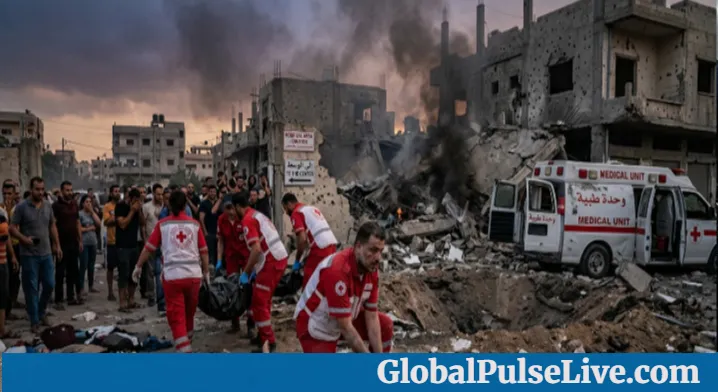
The latest bombardment comes after one of the deadliest weeks in Lebanon since a US-brokered ceasefire was introduced in April. Lebanese authorities say Israeli strikes killed 10 people on Friday alone, including a child, six paramedics and a photojournalist.
Among those killed was Ahmed Hariri, a civil defence photographer and photojournalist who died in an Israeli strike in the southern town of Deir Qanoun en-Nahr.
Footage released by Lebanon’s health ministry appeared to show emergency responders assisting an injured motorcyclist before an ambulance approaching the scene was struck. Two paramedics and a child were killed in the attack.
A separate strike in Hannaouiyah killed four paramedics affiliated with the Islamic Health Association, according to local officials.
The Israeli military said it was reviewing reports that civilians had been harmed in the attacks and claimed Hezbollah fighters were operating in the targeted areas. Israeli officials said evacuation warnings had been issued beforehand and that steps were taken to minimise civilian casualties.
However, rights groups and legal observers have repeatedly criticised Israel’s internal military investigations into alleged violations during the conflict. Analysts note that the overwhelming majority of such inquiries have either been closed without action or remain unresolved.
Israel has continued carrying out airstrikes across Lebanon — both south and north of the Litani River — despite the ceasefire intended to halt major hostilities between Israeli forces and Hezbollah fighters.
According to Lebanese authorities, more than 3,100 people have been killed since fighting escalated on 2 March. Hundreds of those deaths have occurred after the ceasefire took effect, raising concerns that the agreement is steadily collapsing.

Hezbollah has also maintained attacks on Israeli positions in southern Lebanon, increasingly relying on low-cost first-person-view drones and artillery fire. The group said it targeted Israeli soldiers near the village of Deir Siryan on Friday night and launched a surface-to-air missile at an Israeli drone.
Before Friday’s attacks on Tyre, the Israeli military issued evacuation warnings for several neighbourhoods and nearby villages. Lebanese officials drove through affected areas using loudspeakers to urge residents to leave.
Israel also launched strikes near the town of Brital in the Bekaa valley, an area long believed to house Hezbollah weapons infrastructure. Israeli military footage released after the attack claimed to show the destruction of an underground weapons facility.
The continuing violence has placed severe strain on Lebanon’s already fragile healthcare system. Tebnine public hospital in southern Lebanon was heavily damaged in an Israeli strike earlier this week, injuring staff members and disrupting medical services in one of the few functioning hospitals remaining in the area.
The World Health Organization says multiple hospitals and medical facilities in southern Lebanon have been damaged or forced out of operation during the conflict, while at least 123 medics have been killed.
Meanwhile, diplomatic negotiations between Lebanon and Israel — brokered by Washington — remain ongoing, though the temporary ceasefire has done little to end daily hostilities outside Beirut.
Lebanon’s government is pressing for a full ceasefire and the withdrawal of Israeli troops from occupied areas in southern Lebanon. Israel, meanwhile, insists Hezbollah must be fully disarmed before any permanent withdrawal can occur, arguing that the security of northern Israeli communities remains its primary concern.
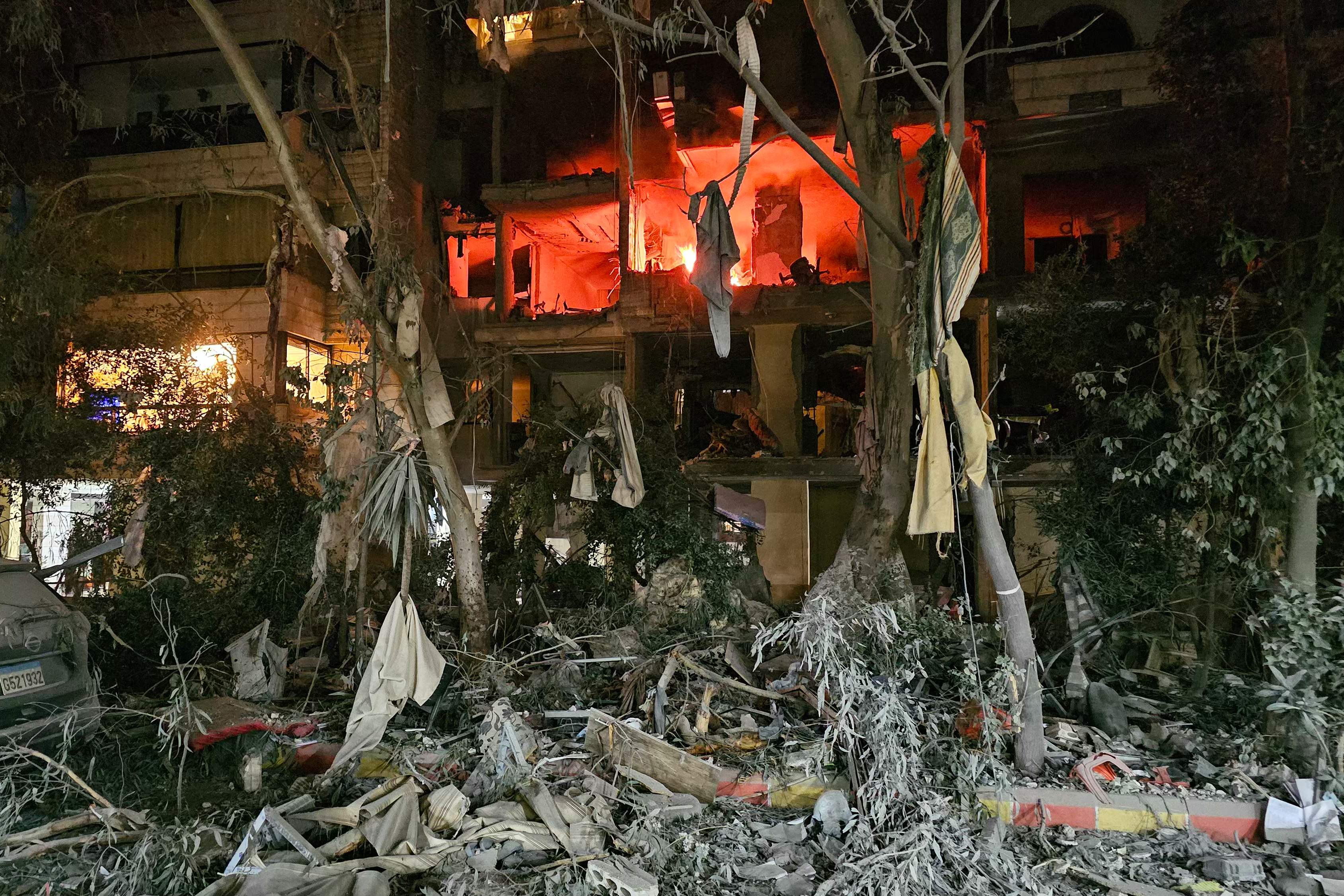
Research group Bellingcat has estimated that Israeli military operations have destroyed or heavily damaged dozens of villages in areas under Israeli control in southern Lebanon.
Hezbollah has condemned the ongoing negotiations, accusing the Lebanese government of conceding sovereignty under international pressure.
Regional observers warn the fragile diplomatic process is closely tied to parallel negotiations between the United States and Iran. Should those talks fail, analysts fear the current low-intensity conflict could rapidly expand into a full-scale war between Israel and Hezbollah.
The current round of fighting began on 2 March, after Hezbollah launched rockets toward Israel following the killing of Iranian supreme leader Ayatollah Ali Khamenei, triggering a large-scale Israeli bombing campaign and ground incursion into Lebanon.