
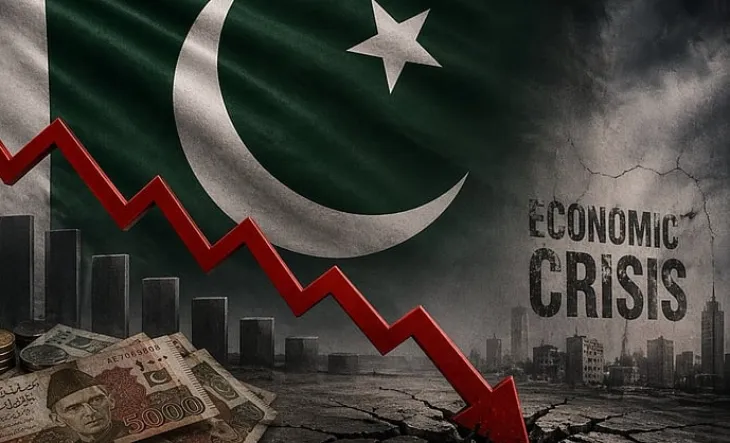
Pakistan – Islamabad — Pakistan’s government has extended its nationwide austerity drive until June 13 amid continued regional instability and uncertainty over the stalled US–Iran negotiations, according to an official notification issued by the Cabinet Division.
The extension comes as Islamabad seeks to manage pressure on public finances and energy supplies following disruptions linked to the ongoing conflict in West Asia, which has repeatedly affected oil flows to the country.
Prime Minister Shehbaz Sharif approved the extension after reviewing recommendations from a committee overseeing fuel conservation and austerity measures, the notification said.
“The prime minister, on consideration of the recommendations of the committee for monitoring and implementation of fuel conservation and additional austerity measures, has been pleased to extend the applicability… up till 13th June, 2026, with immediate effect,” it stated.
Fuel cuts, vehicle restrictions, and travel ban remain in place
Pakistan initially introduced austerity measures on March 9 following supply disruptions triggered by regional conflict, including military strikes on Iran and subsequent escalation in the Gulf.
The measures include a 50% reduction in fuel allowances for official vehicles, a significant downsizing of government transport fleets, and a 60% grounding of official vehicles. Operational services such as ambulances and public transport remain exempt.
The government has also maintained a near-total ban on foreign travel for officials, except for trips deemed essential for national interests.
Energy pressure and economic strain
Pakistan, which relies heavily on oil imports from the Middle East, has been particularly vulnerable to disruptions in regional supply chains. The ongoing tensions have contributed to rising fuel costs domestically, with petroleum prices reaching record levels in recent months.
Despite austerity efforts, officials have acknowledged that maintaining normal government operations has become increasingly difficult under current conditions.
Regional conflict and fragile ceasefire
The austerity extension comes against the backdrop of a fragile ceasefire in the region, following months of hostilities involving the United States, Israel, and Iran. The conflict, which began after joint strikes on Iran, has continued to destabilize energy markets and maritime routes.
Direct US–Iran talks were held in Islamabad on April 11 but ended without agreement, with key disputes remaining over Iran’s nuclear programme and access through the Strait of Hormuz. The ceasefire was later extended by US President Donald Trump to allow further negotiations.
Broader regional instability
Concerns over regional spillover have intensified in recent weeks after several Gulf states reported security incidents. The United Arab Emirates and Kuwait have both reported drone incursions into their airspace, while a commercial vessel near Qatar experienced a drone-related fire incident.
Analysts say these developments highlight the ongoing volatility in the region despite the formal ceasefire, with energy security and maritime stability remaining key concerns for countries dependent on Gulf supplies.
For Pakistan, officials say the extended austerity measures are intended to cushion the economic impact of continued uncertainty while preserving critical resources during an unpredictable geopolitical environment.