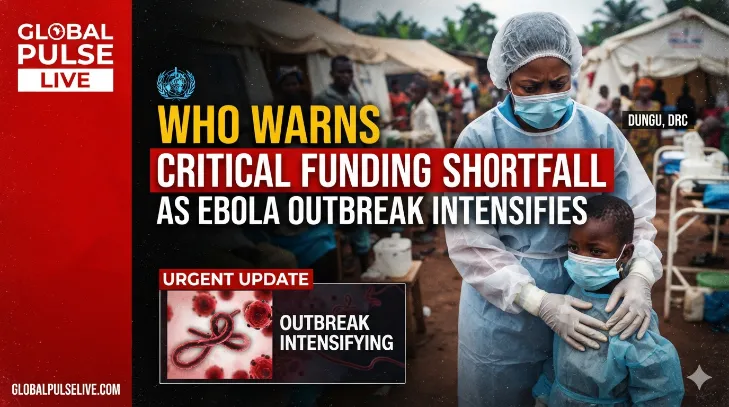
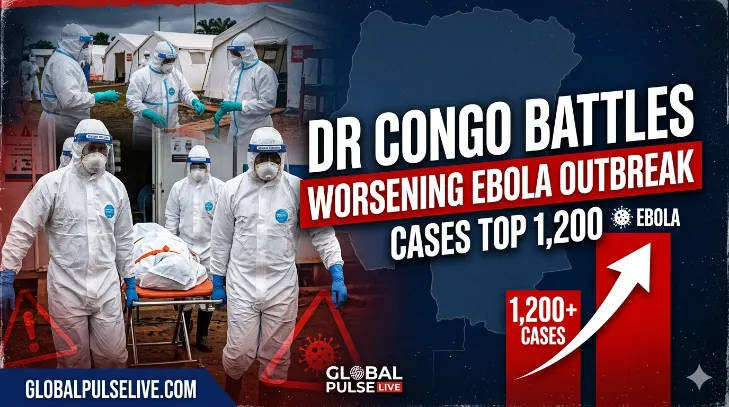
Kinshasa: The Democratic Republic of the Congo (DR Congo) is facing a growing public health emergency after health authorities confirmed that more than 1,200 people have been infected with Ebola, with over 300 deaths recorded since the latest outbreak began in May.
The rapidly spreading outbreak has prompted the government and international health agencies to intensify containment measures in an effort to prevent further transmission of the highly contagious and often fatal virus.
According to health officials, the outbreak has affected several communities, with new infections continuing to emerge despite ongoing surveillance and emergency response efforts. Thousands of people who may have come into contact with infected patients are being traced and monitored, while specialized medical teams are expanding treatment and isolation facilities.
Authorities have launched large-scale vaccination campaigns targeting frontline healthcare workers and individuals identified through contact tracing. Public awareness drives are also being conducted to educate communities about Ebola symptoms, safe burial practices and the importance of seeking immediate medical care.
Hospitals and treatment centres are working under immense pressure as medical personnel struggle to contain the outbreak while protecting themselves from infection. Health workers remain at high risk, underscoring the need for adequate protective equipment and continued international support.
The World Health Organization (WHO) and other humanitarian agencies have stepped up assistance by deploying emergency response teams, medical supplies, laboratory equipment and technical experts to support local authorities. International partners are also helping strengthen surveillance systems to detect and isolate new cases quickly.
Ebola is transmitted through direct contact with the bodily fluids of infected individuals or contaminated surfaces. Early symptoms include fever, fatigue, muscle pain and headache, which can progress to severe bleeding, organ failure and death if left untreated. While vaccines and improved treatment methods have significantly increased survival rates in recent years, rapid detection and strict infection control remain essential to containing outbreaks.
Public health experts warn that challenges such as remote communities, population movement and limited healthcare infrastructure could complicate efforts to halt the spread of the disease. They have urged continued vigilance and sustained international cooperation to prevent the outbreak from expanding into neighbouring regions.
As containment operations intensify, health authorities remain focused on breaking the chain of transmission, treating infected patients and protecting vulnerable communities. The latest outbreak once again highlights the ongoing threat posed by Ebola in Central Africa and the critical importance of strong public health systems and global preparedness.