
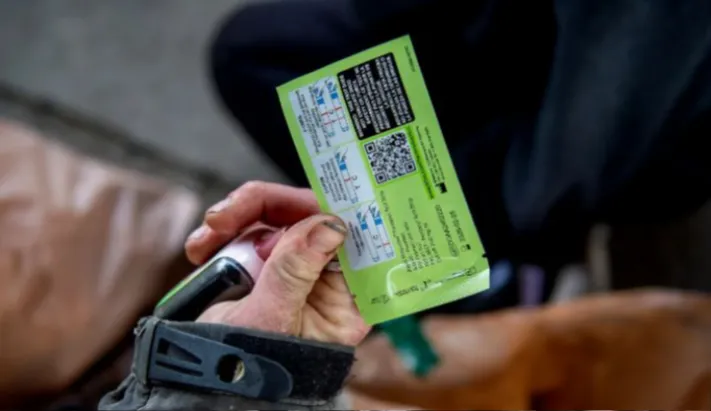
The Trump administration has moved to restrict the use of federal funds for fentanyl and other drug-testing strips, a decision public health experts warn could deepen the United States’ overdose crisis and reverse years of progress in harm reduction policy.
In an open letter issued in April, the Substance Abuse and Mental Health Services Administration (Samhsa) directed grant recipients to stop using federal funding to purchase or distribute testing strips for fentanyl, xylazine, and medetomidine — substances increasingly found in the nation’s illicit drug supply. The agency argued that the strips “facilitate illicit drug use” and are “incompatible with federal laws.”
The guidance marks a stark departure from the Biden administration’s approach, which in 2021 first allowed federal funds to be used for fentanyl test strips as part of a broader effort to reduce overdose deaths. At the time, Samhsa officials described the policy as a lifesaving measure aimed at helping people avoid unknowingly consuming fentanyl, a synthetic opioid up to 50 times more potent than heroin.
Now, advocates say the reversal threatens access to one of the few low-cost tools available to people at risk of overdose.
“It’s going to kill people,” said journalist and addiction policy author Maia Szalavitz, who has long written about harm reduction strategies. She criticized the administration’s abstinence-focused stance, arguing that it ignores evidence showing that testing strips help users make safer decisions rather than encouraging drug use.
The policy shift comes amid an increasingly volatile drug landscape. Fentanyl remains the leading driver of overdose deaths in the US, but newer adulterants such as xylazine — a veterinary sedative associated with severe skin wounds — and medetomidine, another powerful sedative linked to dangerous withdrawal symptoms, are spreading rapidly through street drug supplies.
Harm reduction organizations say testing strips have become critical for identifying these substances before use.
Daniel Fishbein, policy manager for federal affairs at the Drug Policy Alliance, called the move a “180-degree turn” from previous federal guidance. He noted that some states have already paused the purchase and distribution of test strips while they assess compliance with the new rules.
“Based on the research that I’ve reviewed, there’s no evidence that fentanyl test strips promote drug use,” Fishbein said. “These tools help people make informed decisions and reduce overdose risk.”
The administration’s position has also exposed apparent contradictions within federal drug policy. While Samhsa’s directive discourages funding for testing strips, the White House’s recently released National Drug Control Strategy described rapid drug-testing technologies as “an important tool” that “should be legal.”
Advocates say the inconsistency reflects broader divisions inside the administration over how to address addiction and overdose prevention.
Emanuel Sferios, founder of the nonprofit DanceSafe and current head of Grassroots Harm Reduction, said demand for fentanyl test strips surged after the Biden administration approved federal funding for their purchase. He said organizations across the country are now scrambling to replace lost funding.
“Programs are trying to figure out how they’re going to continue distributing these strips,” Sferios said. “This is going to be very significant.”
In Kentucky, the Harm Reduction Coalition reportedly faces the loss of a $400,000 federal grant tied to overdose prevention efforts. The organization distributed nearly 50,000 fentanyl test strips in the first three months of this year and says it has only about a month’s supply remaining.
Critics also argue the new guidance conflicts with congressional intent. A bipartisan law signed by President Donald Trump in December — the Support for Patients and Communities Reauthorization Act — explicitly authorized opioid response grant programs to support access to overdose prevention tools, including fentanyl and xylazine test strips.
“The new guidance is a violation of congressional intent,” Fishbein said. “Congress recognized these strips as a public health tool.”
The restrictions are part of a broader rollback of harm reduction initiatives under the current administration. Earlier this year, federal officials also barred the use of grant funding for supervised drug-consumption sites and overdose hotlines that connect people using drugs with virtual monitors who can contact emergency responders if an overdose occurs.
Public health researchers have credited many of these harm reduction measures with helping drive a significant decline in overdose deaths over the past year. According to federal data, overdose fatalities fell by approximately 26% between 2023 and 2024, though nearly 80,000 Americans still die annually from drug overdoses.
At the same time, the administration has reduced addiction and overdose prevention funding by hundreds of millions of dollars, according to advocacy groups.
Yet Trump has recently taken several unexpected positions on drug policy, including signing an executive order aimed at expanding research into psychedelic-assisted therapies and supporting efforts to ease federal restrictions on cannabis.
In a statement, a spokesperson for the Department of Health and Human Services defended the administration’s approach, saying taxpayer dollars should fund “effective, commonsense solutions” that move people “into a life of recovery.” The department also emphasized ongoing efforts to expand access to naloxone, the overdose reversal medication credited with saving countless lives during the opioid epidemic.
For harm reduction advocates, however, the concern is immediate: as the drug supply grows more unpredictable, fewer testing strips could mean fewer opportunities to prevent fatal overdoses.