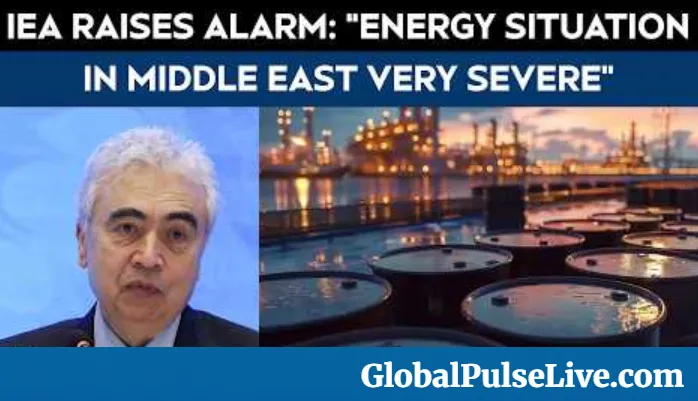
Global oil markets could enter a “red zone” by July and August as shrinking fuel inventories collide with rising summer travel demand and reduced Middle Eastern exports, the head of the International Energy Agency (IEA) has warned.
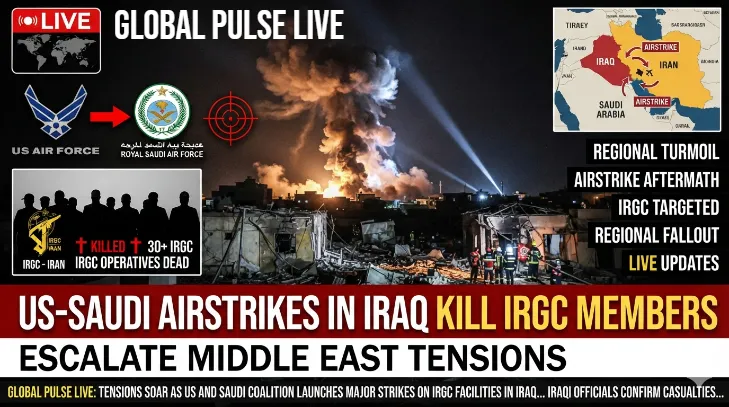
Speaking at London’s Chatham House on Thursday, IEA Executive Director Fatih Birol said the world was facing mounting pressure on energy supplies amid escalating geopolitical tensions linked to the Iran conflict.
Birol said oil stocks were steadily declining while fresh supplies from the Middle East remained constrained, creating a potentially volatile situation ahead of the peak summer travel season.
“This may be difficult and we may be entering the red zone in July-August if we don’t see some improvements,” he said.
The IEA chief stressed that the most effective way to ease pressure on global energy markets would be the “full and unconditional reopening” of the Strait of Hormuz, one of the world’s most strategically important shipping routes for oil and gas exports.
He added that member countries of the IEA could coordinate another release of strategic petroleum reserves if necessary. According to Birol, roughly 80% of the agency’s collective emergency oil reserves remain unused.
Geopolitical Tensions Deepen Energy Concerns
Birol described the current crisis as one of the most severe energy shocks in modern history, saying he had “never seen the dark and long shadow of geopolitics so dominant in the energy sector.”
The IEA estimates that around 14 million barrels of oil per day have been removed from global markets because of disruptions tied to the regional conflict.
Birol argued the situation could prove even more dramatic than previous oil crises in 1973, 1979 and the 2022 energy shock triggered by Russia’s invasion of Ukraine.
He also warned that some oil-producing nations, particularly those heavily dependent on petroleum revenues such as Iraq, may struggle to reinvest in energy infrastructure if high instability persists.
According to Birol, the crisis is likely to accelerate a long-term shift in global energy strategy. Countries may increasingly seek alternative suppliers and invest more heavily in renewable energy, nuclear power and domestic production to reduce reliance on politically unstable regions.
“The reputation of the Middle East as a secure supplier of energy has been damaged,” he said, predicting buyers would increasingly pay a premium for energy sourced from more stable regions.
Iran Nuclear Dispute Remains Unresolved
Meanwhile, diplomatic efforts to reduce tensions between Iran and the United States appeared to stall despite mediation efforts by Pakistan.
Pakistan’s Interior Minister Mohsin Naqvi remained in Tehran for a second visit this week, while a planned trip by Pakistan’s army chief, Field Marshal Asim Munir, was reportedly postponed, raising doubts about progress in negotiations.
Iran’s Supreme Leader Mojtaba Khamenei reiterated that Tehran would not permit its stockpiles of highly enriched uranium to be transferred abroad, though officials signaled they may still consider reducing enrichment levels under international supervision.
The dispute has also drawn conflicting remarks from Donald Trump, who has alternated between downplaying the significance of Iran’s uranium stockpile and warning that the United States would ultimately seize or destroy it.
According to the International Atomic Energy Agency, Iran currently possesses approximately 440.9 kilograms of uranium enriched to 60% purity — technically a short step from weapons-grade material.
Strait of Hormuz Dispute Escalates
Separately, Iran unveiled proposed boundaries for a new Persian Gulf Strait Authority intended to oversee commercial shipping through the Strait of Hormuz.
The move drew criticism from the United Arab Emirates, whose senior diplomatic adviser Anwar Gargash dismissed the proposal as “a fantasy.”
Gargash accused Tehran of attempting to impose a new regional reality following what he described as “obvious military defeat,” adding that efforts to control the strait or challenge UAE maritime sovereignty were unrealistic.
With energy markets already under pressure, analysts warn that any prolonged disruption to shipping through the Strait of Hormuz could send oil prices sharply higher and intensify inflation concerns worldwide.