
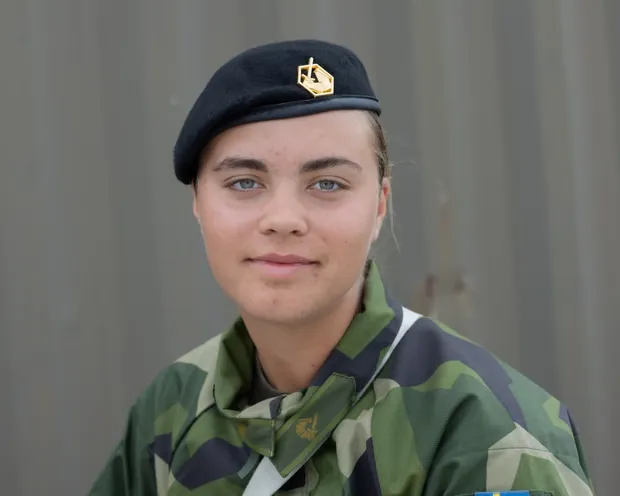
Visby, Sweden: On the strategically vital Baltic island of Gotland, 19-year-old Ella Adman represents a new generation of Swedes preparing for a dramatically different security landscape. Just four months after graduating from school—and having never handled a firearm before—she now trains as a military conscript carrying an assault rifle and is preparing for her first official mission: protecting Sweden’s royal family in Stockholm.
Her transformation mirrors Sweden’s own rapid military resurgence, as the Nordic nation strengthens its armed forces in response to mounting regional security concerns and growing tensions with Russia.
From Student to Soldier
Like thousands of young Swedes, Adman entered compulsory military service as part of Sweden’s expanded national conscription programme. Initially overwhelmed by the demanding 15-month service and gruelling 16-hour training days, she has gradually adapted to military life.
The rigorous programme has not only tested her physical endurance but also forged strong bonds among recruits.
“You discover what you’re capable of and how much stronger you become together,” she reflects, highlighting the teamwork and resilience military life demands.
Gotland: The Baltic’s Strategic Prize
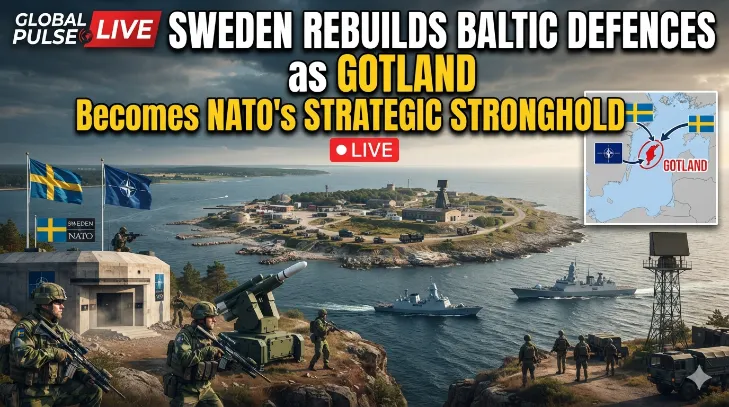
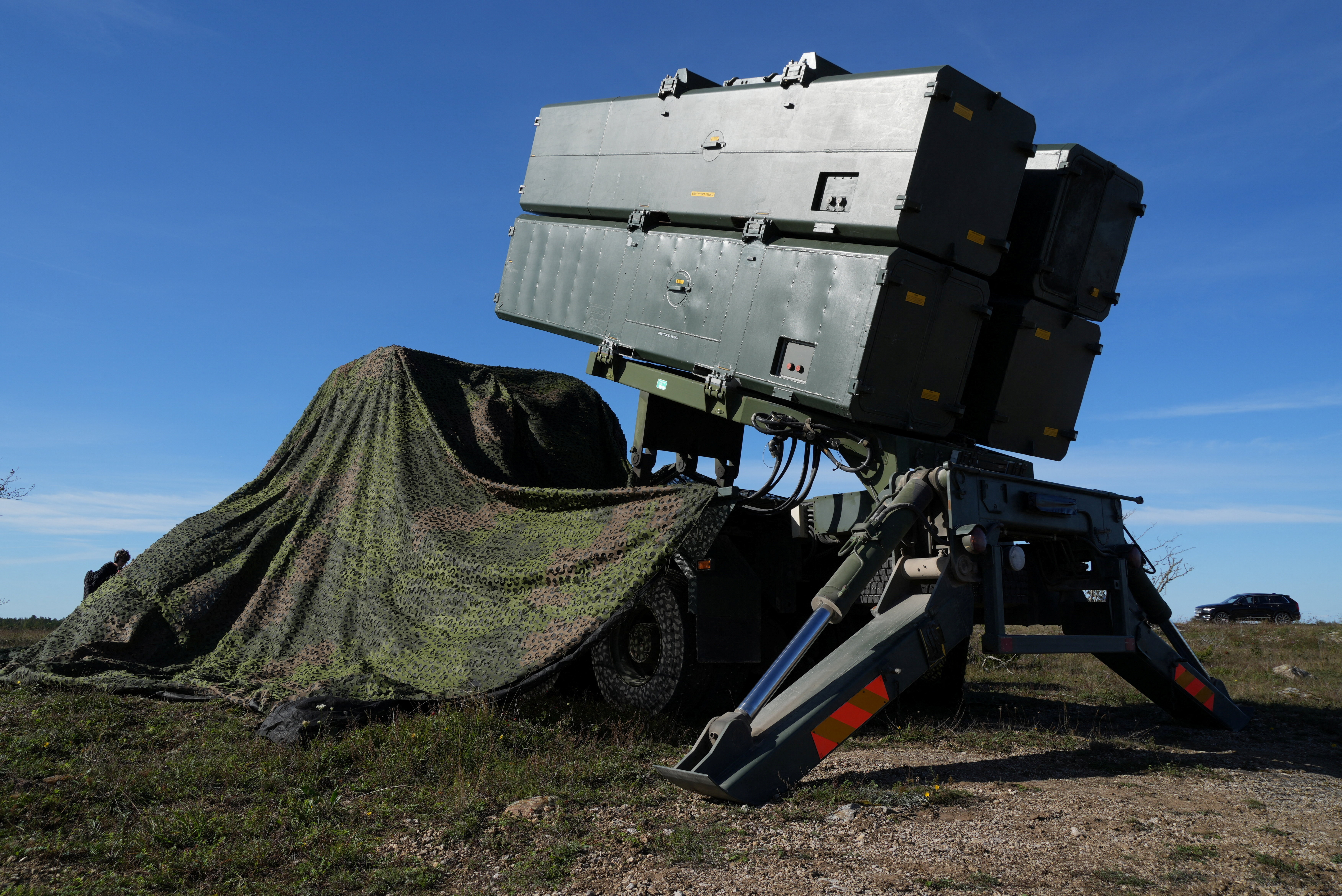
The picturesque island of Gotland, famous for its medieval city of Visby and summer tourism, has become one of Europe’s most strategically significant military locations.
Situated approximately 275 kilometres from Russia’s heavily militarised Kaliningrad enclave and just 87 kilometres from mainland Sweden, the island occupies a commanding position in the Baltic Sea. Military strategists believe that control of Gotland would provide a significant advantage in overseeing both naval and air operations across the region.
For decades after the Cold War, Sweden reduced its military footprint on the island. By 2005, the last major regiment had been closed, leaving only a limited Home Guard presence. However, changing geopolitical realities have completely reversed that policy.
Military Expansion Gains Momentum
Since the re-establishment of Regiment P18 in 2018, Sweden has rapidly rebuilt its military capabilities on Gotland. The pace accelerated significantly following Russia’s full-scale invasion of Ukraine in 2022 and Sweden’s subsequent accession to NATO.
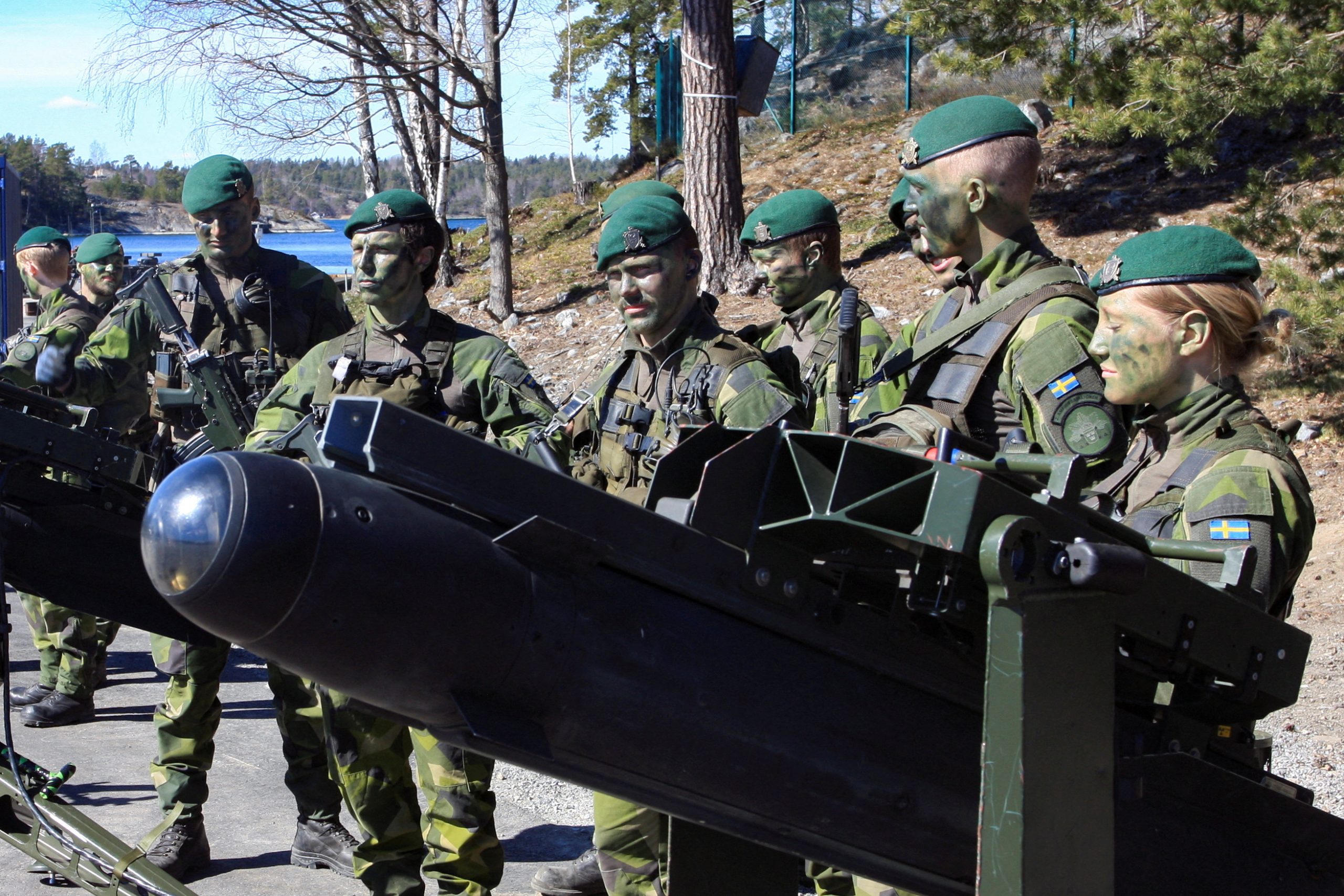
Today, hundreds of conscripts are stationed on the island, while NATO exercises have become increasingly frequent, reflecting Sweden’s deeper integration into the alliance’s collective defence strategy.
Colonel Andreas Gustafsson, commander of the Swedish Army on Gotland, describes the island as essential to regional stability.
“If you are able to control Gotland, you are able to control the Baltic Sea as well,” he says, emphasizing that defending the island is crucial not only for Sweden but also for NATO’s overall security.
Preparing for Future Threats
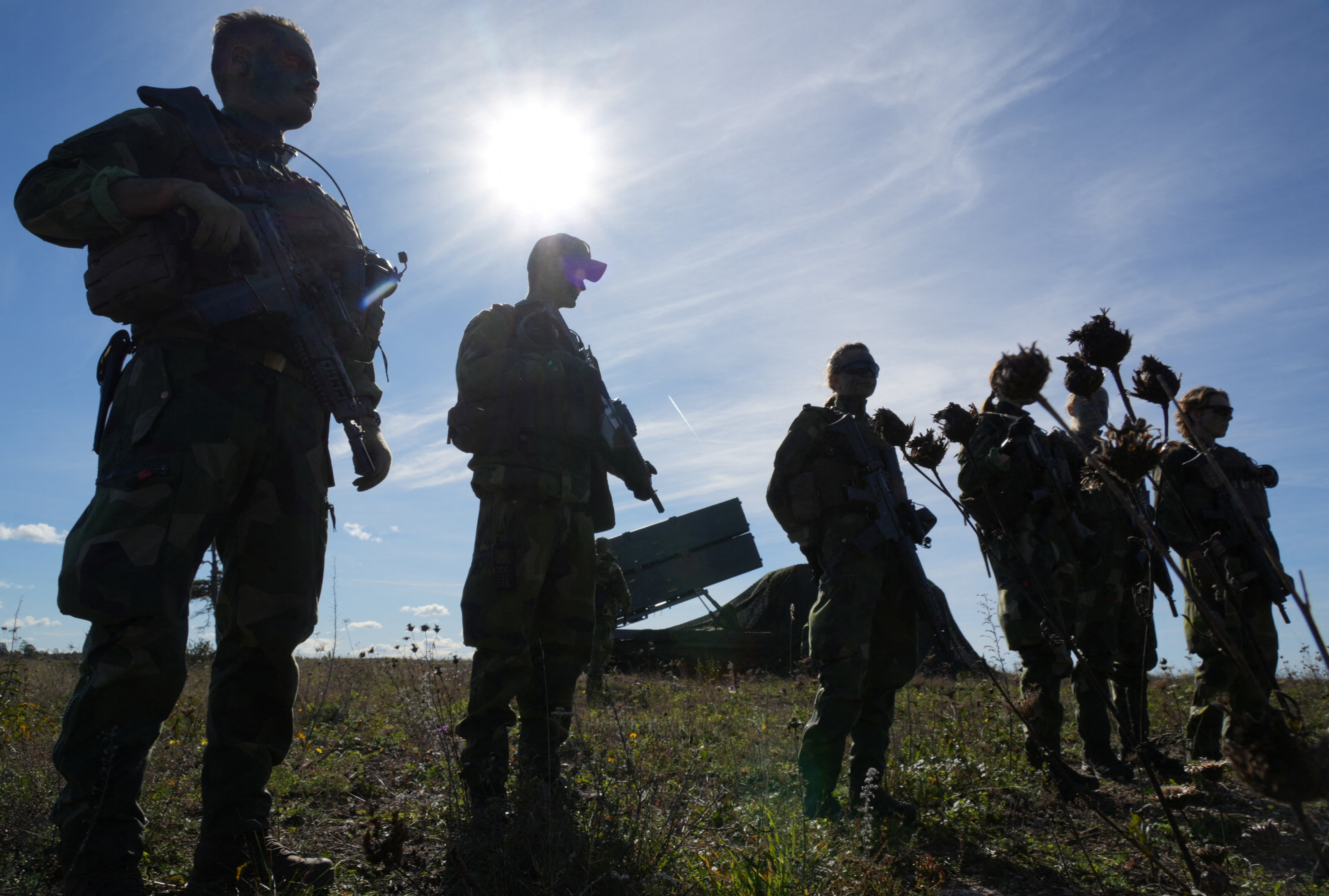
Sweden’s defence planning for 2025-2030 identifies a surprise attack on Gotland as one of the country’s priority military scenarios. Defence officials believe any attempt to seize the island could involve coordinated air and naval operations designed to establish control over surrounding waters.
Although Swedish military leaders currently assess the immediate risk of a conventional invasion as relatively low, they remain alert to other threats, including espionage, cyberattacks and sabotage.
Military planners also caution that any future ceasefire in Ukraine could allow Russia to redeploy forces closer to the Baltic region, increasing long-term security challenges.
Rising Defence Investment
Sweden has significantly increased defence spending in recent years, committing approximately 2.8 percent of its Gross Domestic Product (GDP) to defence in 2026, with plans to raise that figure further to 3.1 percent by 2028.
The government has also expanded compulsory military service to build a larger reserve force capable of responding to evolving security threats.
However, rapid military expansion presents practical challenges. Like many European nations, Sweden faces intense competition for defence equipment, particularly artillery systems and advanced military hardware, as countries across the continent boost their armed forces simultaneously.
Civilian Preparedness Becomes a National Priority
Military readiness is only one part of Sweden’s strategy. Authorities are also encouraging civilians to strengthen local resilience.
On Gotland, neighbourhood preparedness groups are becoming increasingly common. Residents are working together to assess access to water, electricity, communications and emergency supplies, ensuring communities can function during prolonged crises.
Doctor Eva Rinblad is among those leading local preparedness efforts. Motivated by official warnings about future emergencies, she established a community preparedness network that is mapping essential resources, including private wells, food supplies and alternative water sources.
The initiative forms part of the island-wide “Strong Parish” programme, which encourages local communities to become more self-sufficient during emergencies.
A New Chapter in European Security
Gotland’s military revival illustrates the profound transformation taking place across northern Europe. Once viewed primarily as a peaceful tourist destination, the island has become a frontline symbol of NATO’s evolving security architecture in the Baltic region.
As geopolitical tensions continue to reshape European defence policies, Sweden’s investment in both military capability and civilian preparedness reflects a broader recognition that national security now extends far beyond the battlefield.
For young conscripts like Ella Adman, the changing reality has meant trading school life for military service—becoming part of a new generation entrusted with safeguarding not only Sweden’s future but also the stability of one of Europe’s most strategically important regions.