
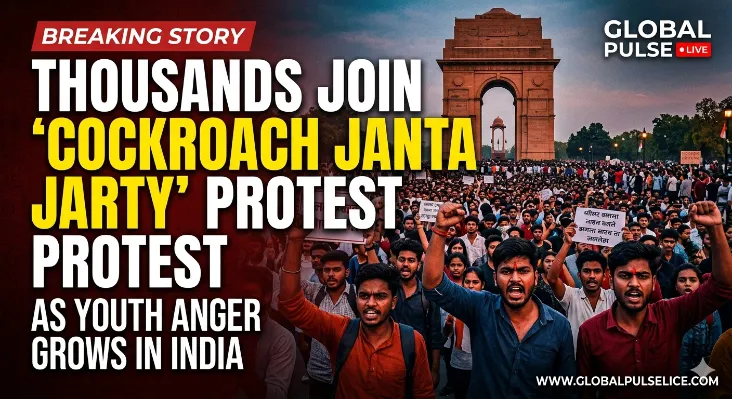
New Delhi: What began as an online joke has rapidly evolved into a surprising youth-led movement challenging India’s political establishment, as thousands gathered in New Delhi over the weekend for the first public demonstration organized by the Cockroach Janta Party (CJP).
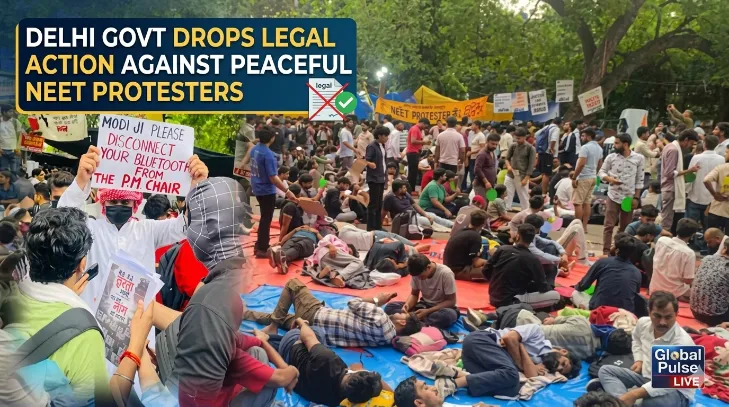
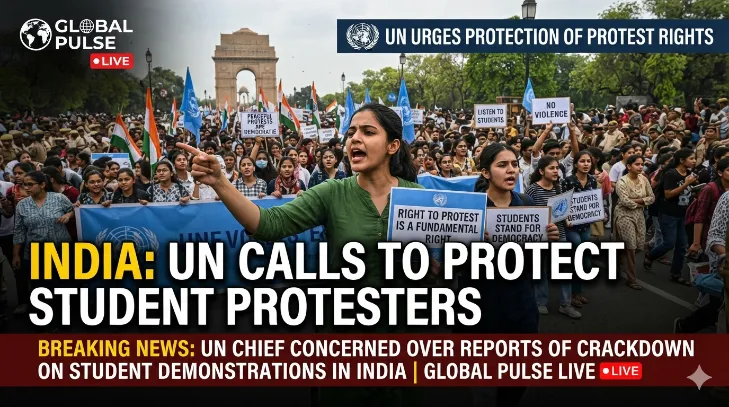
The protest, marked by peaceful demonstrations and a strong police presence, drew students, young professionals, and activists from across the country who voiced frustration over unemployment, education scandals, and a perceived lack of opportunities for India’s younger generation.
The movement was founded by Abhijeet Dipke, an Indian graduate living in the United States, who said the idea emerged after remarks made by India’s Chief Justice during a court hearing allegedly compared unemployed youth to “parasites” and “cockroaches.”
What started as a satirical social media campaign quickly gained traction, attracting millions of followers online. Within weeks, the Cockroach Janta Party became one of the most talked-about youth movements in the country, with its social media platforms drawing massive support from disillusioned young Indians.
Addressing protesters in Delhi, Dipke said the movement was about reclaiming dignity and demanding accountability.
“For the government, we may be treated as insects, but we are citizens with rights and a future worth fighting for,” he told supporters.
Many participants said the movement reflects growing frustration over unemployment and challenges within India’s education system. Recent studies indicate that a significant percentage of university graduates under the age of 25 remain unemployed despite years of academic preparation.
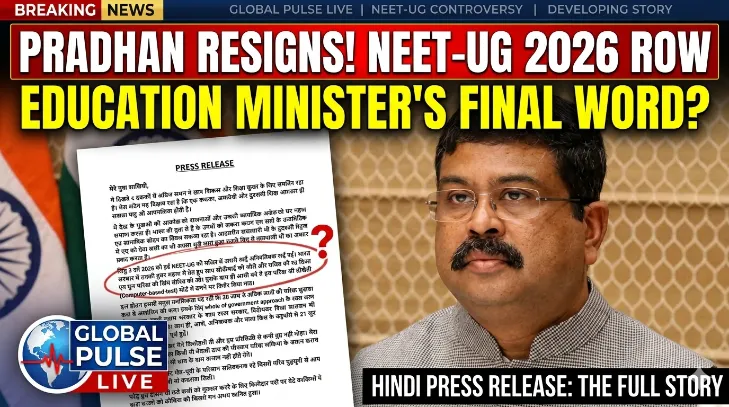
A major focus of the protest was the country’s examination system, particularly recent controversies surrounding alleged leaks in national entrance examinations. Protesters argued that repeated exam irregularities have undermined trust in educational institutions and unfairly affected millions of students competing for limited opportunities.
Demonstrators called for greater transparency in examinations and demanded accountability from education authorities. Many carried copies of the Indian Constitution and flowers, emphasizing the peaceful nature of the protest.
“We are here because students are losing faith in the system,” said one protester. “Years of hard work are being jeopardized by corruption and mismanagement.”
The movement has also sparked broader discussions about the pressures facing Indian youth, including rising educational costs, intense competition for jobs, and concerns about mental health. Analysts have increasingly highlighted the burden placed on students by a highly competitive examination culture and limited employment opportunities.
Despite its rapid rise online, questions remain about whether the Cockroach Janta Party can transform social media popularity into sustained political influence. While supporters view the large turnout in Delhi as a sign of growing momentum, critics argue that the movement still faces significant challenges in converting digital support into long-term grassroots organization.
India’s ruling Bharatiya Janata Party (BJP), led by Prime Minister Narendra Modi, remains one of the country’s most powerful political forces. Political observers note that any emerging movement seeking to challenge the status quo will face a difficult path ahead.
Nevertheless, participants at the demonstration expressed optimism that the movement could become a platform for addressing issues affecting young people across the country.
As the rally concluded, organizers pledged to continue peaceful activism and expand the campaign nationwide, describing the movement as a call for educational reform, employment opportunities, and greater accountability from those in power.
Whether the Cockroach Janta Party remains a symbol of online dissent or evolves into a broader political force, its emergence has highlighted growing concerns among India’s youth about their future and their place in the country’s development.