
TEHRAN: Iran’s chief negotiator has warned of a “crushing” response if the United States resumes military operations against the country, sharply escalating rhetoric amid fragile diplomatic efforts to sustain a ceasefire and ongoing negotiations over the future of the conflict.
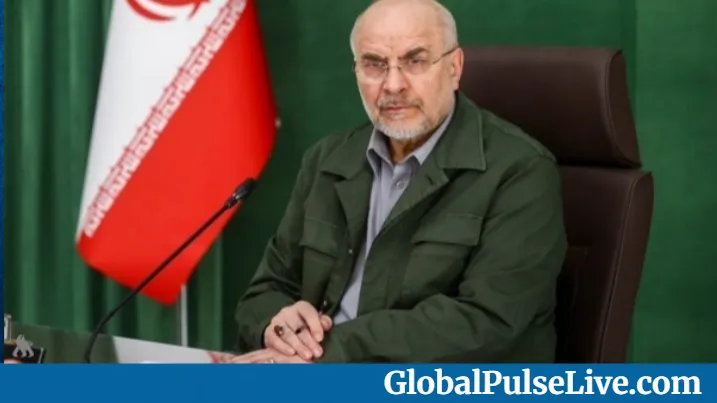
Mohammad Bagher Ghalibaf, who is also the Speaker of Iran’s Parliament and a senior figure in Tehran’s negotiating team, said Iran’s armed forces had rebuilt their capabilities during the recent ceasefire period and would respond forcefully to any renewed US strikes.
“Our armed forces have rebuilt themselves during the ceasefire period in such a way that if Trump commits another act of folly and restarts the war, it will certainly be more crushing and bitter for the United States than on the first day of the war,” Ghalibaf said in a statement posted on social media.
The remarks came after Ghalibaf met Pakistan’s army chief Field Marshal Asim Munir in Tehran, as Islamabad continues its role in facilitating backchannel diplomacy between Tehran and Washington aimed at preventing a return to full-scale conflict.
The warning adds fresh tension to an already volatile situation, with both sides simultaneously engaged in negotiations and military posturing. US officials have maintained that progress is being made in talks but have also reiterated long-standing demands, including restrictions on Iran’s nuclear capabilities and the reopening of key maritime routes such as the Strait of Hormuz.
Despite diplomatic activity involving regional mediators, significant gaps remain between the two sides. Iranian officials have accused Washington of making excessive demands, while US leaders have signalled that military options remain on the table if diplomacy fails.
Analysts say the latest comments reflect both domestic political signalling in Tehran and a broader attempt to strengthen Iran’s negotiating position as talks enter a critical phase.
Diplomatic efforts are expected to continue in the coming days, with regional mediators pushing to prevent further escalation in a conflict that has already disrupted energy supplies and heightened tensions across the Middle East.