
Kathmandu: Four of the eight countries in the Hindu Kush Himalaya (HKH) region witnessed more than 10 major disasters in 2025, directly affecting or displacing nearly 1.2 million people, according to a new analysis released by the International Centre for Integrated Mountain Development on Thursday.
The report warned that the increasing impact of disasters across the fragile mountain region may be linked to the growing occurrence of multi-hazard events, where floods, landslides, droughts and storms strike simultaneously or in quick succession.
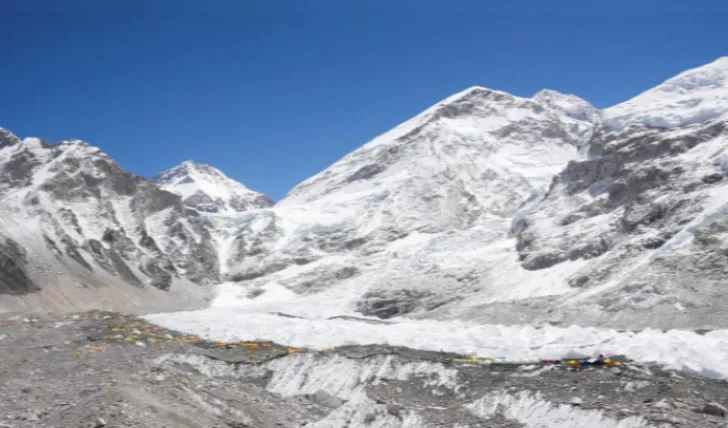
The HKH region stretches across parts of South and East Asia and includes Afghanistan, Bangladesh, Bhutan, China, India, Myanmar, Nepal and Pakistan. The region is home to glaciers and river systems that support nearly 240 million people in the mountains and around one billion more downstream.
According to ICIMOD, economic losses from disasters in the HKH exceeded USD 6 billion in 2024 alone, with most damage linked to water-related hazards such as floods, landslides and storms.
“Intense monsoon rainfall triggered repeated flooding and landslides across several HKH countries, such as Bangladesh, India, Nepal and Pakistan,” the organisation said in a statement. It added that glacial lake outburst floods were also reported in some areas.
The report noted that Asia accounted for a major share of global disasters in 2025, and the HKH region reflected that broader trend due to its vulnerable geography and high exposure to climate-related risks.
ICIMOD data showed that Myanmar, Pakistan and China also faced severe monsoon-induced flooding this year, causing extensive damage to infrastructure, agriculture and livelihoods.
The organisation highlighted several examples of recent multi-hazard disasters in the region, including the 2013 Kedarnath floods, the 2023 South Lhonak glacial lake outburst flood and the 2021 Melamchi flood.
“Recent years show how floods, landslides and other hazards are increasingly overlapping in mountain regions, amplifying damages to homes, infrastructure and essential services,” said Pema Gyamtsho.
Despite the growing risks, long-term data from 1975 to 2024 indicates a decline in disaster-related deaths and the number of affected people in the HKH region after 2013. Experts believe improved preparedness, climate services and early warning systems may be contributing to the trend, though data gaps remain a concern.
“The numbers are still worrying, but the post-2013 trend suggests fewer lives are being affected year on year, which may reflect better climate services and preparedness in parts of the region,” said Manish Shrestha.
The report pointed to successful examples of early warning systems, including in eastern Nepal, where flood alerts issued along the Khando River in 2024 helped evacuate around 60,000 people living downstream.
ICIMOD also stressed the need for risk-informed infrastructure and development planning to reduce future disaster losses in the region.
“Without integrating hazard and vulnerability data into investment decisions, exposed communities risk locking in higher losses as climate-driven extremes intensify,” analysts at the organisation warned.
Headquartered in Kathmandu, ICIMOD works as a regional knowledge and research centre focused on sustainable mountain development and climate resilience across the HKH region.